Everything about the Foreign Earned Earnings Exclusion: Maximizing Your Requirement Reduction Advantages
The Foreign Earned Earnings Exemption (FEIE) offers a beneficial chance for U.S. residents living abroad to reduce their tax responsibilities. Recognizing the qualification criteria is vital for those looking for to profit from this exclusion. Claiming the typical reduction can enhance total tax advantages. Nevertheless, handling this procedure entails careful interest to detail and a recognition of usual mistakes. Exploring these aspects can supply clearness and make the most of prospective tax advantages.
Comprehending the Foreign Earned Revenue Exclusion (FEIE)
The International Earned Earnings Exemption (FEIE) permits united state citizens and resident aliens working abroad to omit a part of their foreign revenues from government income tax obligation. This stipulation functions as a financial relief system, enabling expatriates to retain a bigger share of their revenue earned in foreign nations. By decreasing taxable income, the FEIE aids alleviate the problem of double taxation, as individuals may additionally undergo tax obligations in their host countries. The exemption applies just to earned earnings, which includes wages, incomes, and expert fees, while passive income and financial investment gains do not qualify. To take advantage of the FEIE, people need to submit specific types with the IRS, describing their international revenues and residency - FEIE Standard Deduction. Understanding the subtleties of the FEIE can significantly influence monetary planning for united state residents living overseas, making it vital for migrants to remain educated concerning this helpful tax provision
Eligibility Standards for the FEIE
To get approved for the Foreign Earned Earnings Exclusion (FEIE), people need to satisfy details qualification standards. This consists of gratifying residency demands, passing the physical visibility examination, and establishing a tax home in a foreign nation. Each of these variables plays an essential duty in identifying whether one can take advantage of the exclusion.
Residency Needs
Satisfying the residency demands is vital for people looking for to receive the Foreign Earned Revenue Exclusion (FEIE) To be qualified, taxpayers must establish a bona fide residence in a foreign nation or nations for an undisturbed period that typically covers an entire tax obligation year. This requirement stresses the necessity of a deeper link to the international place, moving past plain physical presence. People need to demonstrate their intent to live in the international country and have actually developed their living situation there. Factors such as the length of stay, kind of housing, and regional neighborhood participation are considered in figuring out residency. Fulfilling these requirements is crucial, as failure to do so may invalidate one from gaining from the FEIE.
Physical Visibility Test
Developing eligibility for the Foreign Earned Revenue Exclusion (FEIE) can additionally be attained via the Physical Existence Test, which requires people to be physically present in an international nation for a minimum of 330 full days throughout a consecutive 12-month duration. This test is valuable for those who might not meet the residency demand however still reside abroad. The 330 days have to be full days, implying that any kind of day invested in the United States does not count towards this overall. It is crucial for individuals to maintain accurate records of their travel days and areas to sustain their claims. Effectively passing this examination can significantly reduce taxed earnings and enhance financial end results for expatriates.
Tax Home Area
Tax home area plays an essential duty in figuring out eligibility for the Foreign Earned Revenue Exemption (FEIE) To qualify, an individual have to establish a tax home in an international country, which indicates their primary business is outside the USA. This stands out from a simple house; the individual must perform their operate in the international country while keeping a significant connection to it. The IRS needs that the taxpayer can demonstrate the intent to remain in the international area for an extensive duration. In addition, preserving a home in the united state can make complex qualification, as it may suggest that the person's real tax obligation home is still in the United States. Comprehending this standard is crucial for making the most of FEIE advantages.
Just how to Assert the FEIE on Your Income Tax Return
Claiming the Foreign Earned Earnings Exclusion (FEIE) on an income tax return needs mindful focus to detail and adherence to certain internal revenue service guidelines. Taxpayers have to first validate eligibility by fulfilling either the bona fide residence test or the physical visibility test. Once qualification is confirmed, they should complete internal revenue service Type 2555, which information foreign earned earnings and pertinent information concerning their tax home.
It is vital to report all foreign revenue accurately and keep appropriate documents to support cases. Taxpayers must additionally why not find out more recognize the optimal exemption restriction, which goes through annual adjustments by the IRS. Declaring Type 2555 together with the annual income tax return allows taxpayers to omit a section of their international earnings from U.S. taxation. Lastly, it is suggested to consult a tax obligation expert or IRS sources for updated information and guidance on the FEIE procedure, assuring conformity and maximization of prospective benefits.
The Criterion Reduction: What You Need to Know
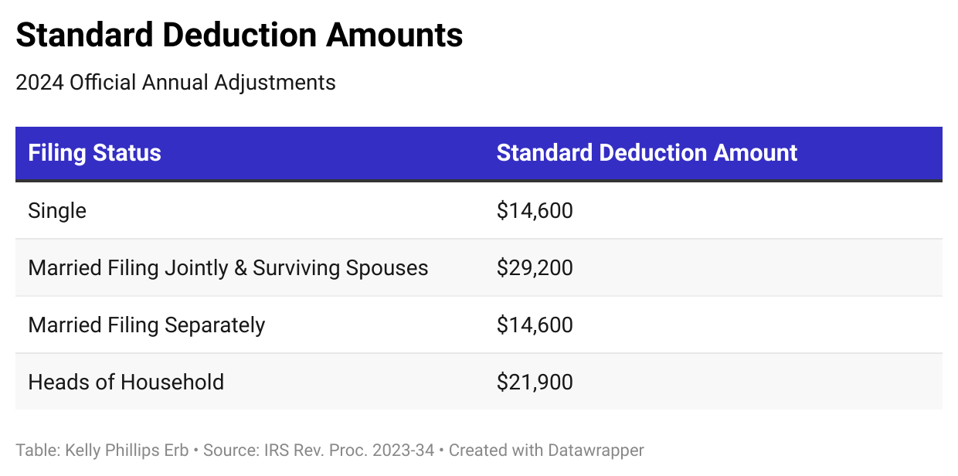
Just how does the common deduction effect taxpayers' general economic situation? The conventional reduction works as a significant tax advantage, lowering gross income and potentially lowering tax obligation liabilities. For the tax obligation year 2023, the basic reduction is established at $13,850 for this article solitary filers and $27,700 for married pairs submitting collectively. This deduction streamlines the declaring procedure, as taxpayers can select it instead of making a list of reductions, which calls for comprehensive record-keeping.

Taxpayers gaining international income may still declare the standard deduction, taking advantage of lowered gross income also while making use of the Foreign Earned Earnings Exemption (FEIE) It is necessary to keep in mind that the conventional reduction can not be combined with itemized reductions for the same tax obligation year - FEIE Standard Deduction. Recognizing the common deduction permits taxpayers to make educated choices regarding their tax obligation methods, making the most of offered benefits while ensuring conformity with IRS policies.
Methods for Maximizing Your Deductions
Making the most of reductions under the Foreign Earned Income Exemption calls for a clear understanding of made revenue limits and the advantages of asserting housing exemptions. In addition, using Kind 2555 effectively can improve the possibility for significant tax obligation savings. These approaches can significantly influence the overall tax obligation liability for migrants.
Understand Earned Earnings Restrictions
While numerous migrants look for to reduce their tax problem, understanding the gained revenue restrictions is important for successfully leveraging the Foreign Earned Revenue Exemption. The Internal Income Service (INTERNAL REVENUE SERVICE) establishes specific thresholds that dictate the maximum amount of international gained revenue eligible for exemption. For the tax obligation year 2023, this limit is $120,000 per qualified individual. Exceeding this threshold may lead to tax on the revenue over the restriction, diminishing the benefits of the exclusion. To maximize deductions, expatriates must maintain exact documents of their international gained income and evaluate their eligibility for the exemption each year. Strategic preparing around these limits can substantially boost tax savings, allowing expatriates to maximize their economic scenario while living abroad.
Declaring Housing Exclusion Benefits
Several migrants ignore the possible advantages of declaring the Housing Exclusion, which can significantly reduce their taxable revenue. This exemption enables individuals living abroad to subtract specific housing expenses from their gross revenue, making it easier to meet economic responsibilities without incurring substantial tax liabilities. To optimize this benefit, expatriates should validate they qualify based upon their home and employment conditions. Furthermore, understanding qualified costs-- such as rent, energies, and maintenance-- can boost the overall reduction. Keeping extensive records of these prices is vital for substantiating cases. By tactically maneuvering via the Housing Exemption, expatriates can significantly reduce their tax worry and preserve more of their revenues while living overseas, eventually boosting their economic well-being.
Make Use Of Form 2555 Properly
Making use of Type see 2555 properly can greatly improve the economic advantages offered to migrants, especially after capitalizing on the Real estate Exclusion. This type permits people to claim the Foreign Earned Earnings Exemption, which can greatly decrease gross income. To make best use of deductions, expatriates must validate they meet the qualifications, including the physical visibility test or the bona fide home examination. It is vital to accurately report all foreign gained income and to keep comprehensive records of eligibility. Furthermore, making use of the Real estate Exemption in tandem with Kind 2555 can further decrease overall tax liability. By comprehending the complexities of these types, migrants can maximize their tax obligation scenario and preserve even more of their hard-earned income while living abroad.
Common Risks to Prevent When Declaring Your Tax Obligations Abroad
Regularly Asked Concerns
Can I Declare Both FEIE and the Foreign Tax Credit Rating?
Yes, a person can assert both the Foreign Earned Revenue Exemption (FEIE) and the Foreign Tax Obligation Credit Scores (FTC) However, they should guarantee that the very same earnings is not made use of for both benefits to stay clear of dual advantages.
What Takes place if I Go Beyond the FEIE Earnings Restriction?
Exceeding the Foreign Earned Revenue Exemption (FEIE) income restriction causes the ineligibility for the exemption on the excess quantity. This might result in taxable income in the United States, calling for appropriate tax obligation filings.
Are There Any Kind Of State Tax Effects for FEIE?
State tax obligation ramifications for the Foreign Earned Earnings Exclusion (FEIE) differ by state. Some states may tire foreign income while others comply with federal exemptions, making it important for individuals to speak with state-specific tax obligation guidelines for clearness.
Exactly How Does FEIE Influence My Social Safety And Security Conveniences?
The Foreign Earned Revenue Exemption (FEIE) does not directly affect Social Safety and security benefits. Nevertheless, earnings omitted under FEIE may influence the computation of typical indexed monthly incomes, possibly influencing future advantages.
Can I Withdraw My FEIE Political Election After Declaring It?
Yes, a person can revoke their Foreign Earned Earnings Exemption (FEIE) political election after asserting it. This revocation needs to be carried out in creating and submitted to the IRS, adhering to details standards and deadlines.
Understanding the Foreign Earned Revenue Exclusion (FEIE)
The Foreign Earned Income Exclusion (FEIE) allows U.S. enables united state people aliens working abroad functioning exclude an omit of their foreign earnings international profits income governmentRevenue Taxpayers gaining international earnings may still claim the basic deduction, profiting from decreased taxable income also while utilizing the Foreign Earned Income Exemption (FEIE) Maximizing deductions under the Foreign Earned Earnings Exemption requires a clear understanding of gained income restrictions and the benefits of claiming real estate exemptions. While several migrants seek to lower their tax burden, understanding the made income limits is necessary for successfully leveraging the Foreign Earned Revenue Exemption. Surpassing the Foreign Earned Income Exemption (FEIE) revenue limit results in the ineligibility for the exclusion on the excess quantity.